ChromeOS & Android Merge: Chromebook Future
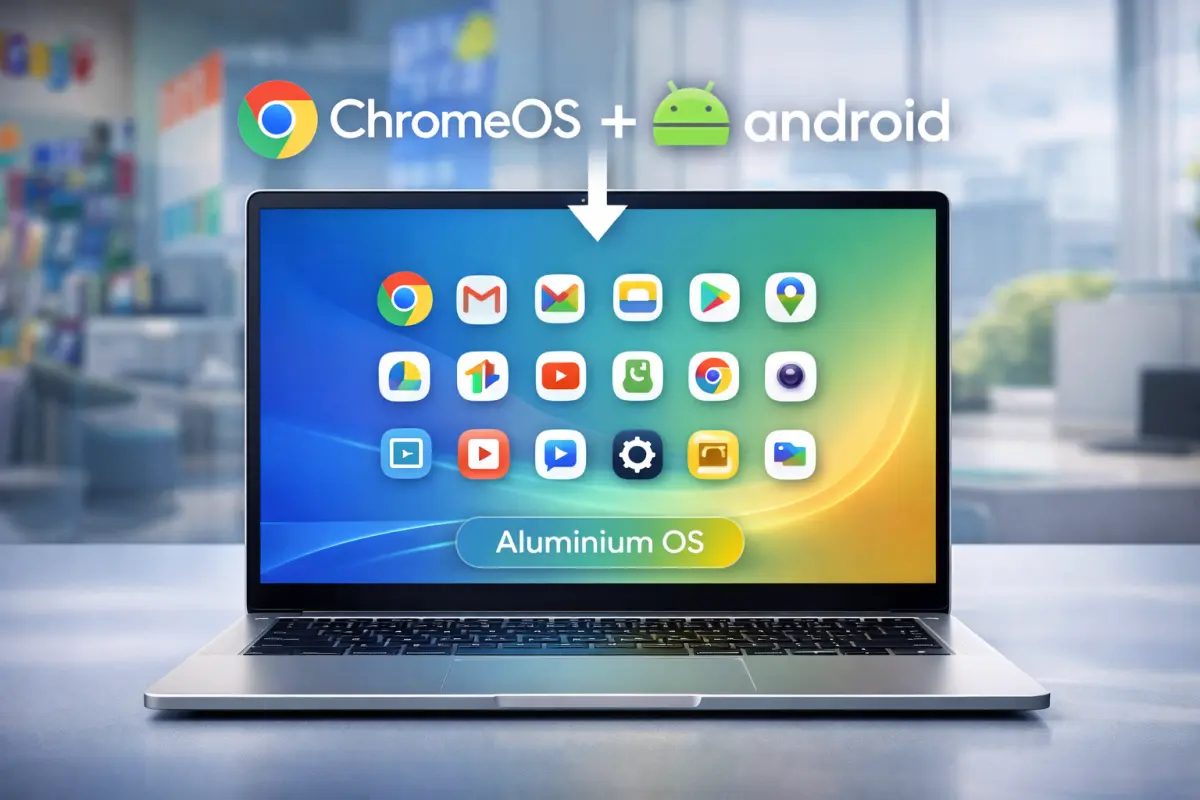
Google is preparing one of the biggest shifts in the
Chromebook ecosystem since ChromeOS first launched. In 2026, ChromeOS is
expected to move closer than ever to Android through a unified platform often
referred to as “Aluminium OS.†This operating system merge could
significantly reshape Chromebooks, budget laptops and education-focused
devices in the US market.
For students, schools and budget-conscious buyers, these
changes could make Chromebooks more powerful, flexible and future-proof than
ever before.
What Is Aluminium OS? A New
Direction for ChromeOS
Aluminium OS is not a brand-new operating system, but rather
Google’s long-term plan to merge ChromeOS and Android at a deeper system
level. Instead of two separate platforms, Google aims to create a single,
unified OS foundation that works seamlessly across:
- Chromebooks
- Android
phones and tablets
- Hybrid
and 2-in-1 laptops
This move mirrors Apple’s ecosystem strategy, where apps,
services and workflows transition smoothly between devices.
Why Google Is Merging ChromeOS
and Android
ChromeOS has dominated US classrooms and budget laptop
markets, while Android leads globally on mobile devices. By merging the
two, Google can:
- Reduce
software fragmentation
- Improve
app compatibility
- Deliver
faster updates
- Offer
better long-term support
For Chromebook users, this means more powerful apps,
better offline functionality and a smoother experience overall.
How Chromebooks Will Change in
2026
1. Better Android App Performance
One of the biggest complaints about Chromebooks has been
inconsistent Android app performance. With Aluminium OS:
- Android
apps will run more natively
- Fewer
bugs and crashes
- Improved
multitasking
This is a major win for students and professionals
who rely on productivity and creative apps.
2. Improved Offline Capabilities
ChromeOS has traditionally been cloud-first. The OS merge
will bring:
- Stronger
offline support
- More
local file handling
- Better
performance without constant internet
This is especially important for schools, remote learners
and rural US areas with limited connectivity.
3. Longer Software Support for Chromebooks
Google is expected to extend Chromebook update lifespans,
making them more competitive with Windows and MacBooks.
For US school districts and families, longer support means:
- Lower
replacement costs
- Better
long-term value
- More
sustainable hardware investments
What This Means for Education in
the US
Chromebooks already dominate the US education market
and Aluminium OS could strengthen that position.
Expected benefits include:
- Easier
app deployment for schools
- Better
compatibility with Android educational apps
- Improved
parental controls and device management
This makes Chromebooks even more appealing as affordable
laptops for students in 2026.
Impact on Budget and Entry-Level
Laptops
For budget-conscious buyers, the ChromeOS and Android merge
could make Chromebooks a stronger alternative to Windows laptops under $500.
Key improvements include:
- More
versatile app ecosystem
- Better
performance on low-end hardware
- Seamless
integration with Android phones
As a result, Chromebooks may no longer feel like “secondary
devices,†but legitimate daily-use laptops for work, school and
entertainment.
Will Chromebooks Replace Windows
Laptops?
While Chromebooks won’t replace Windows entirely, Aluminium
OS could:
- Reduce
Windows dominance in entry-level laptops
- Attract
more casual and student users
- Challenge
Windows in schools and budget segments
For users who don’t need heavy desktop software, Chromebooks
in 2026 could be the smarter choice.
What to Expect at CES 2026 and
Beyond
At CES 2026, expect:
- New
Chromebooks optimized for Aluminium OS
- Faster
ARM-based Chromebooks
- More
2-in-1 and tablet-style designs
- Deeper
AI and Assistant integration
These launches will give the first real look at how
Google’s OS merge performs in real-world laptops.
Conclusion
The ChromeOS and Android merge marks a turning point for
Chromebooks. In 2026, Aluminium OS could transform Chromebooks from simple web
devices into powerful, affordable and flexible laptops—especially for
students and budget buyers in the US.
If Google executes this transition smoothly, Chromebooks
could become one of the most important laptop categories of the decade.

 Facebook
 Twitter
 Whatsapp
 Linkedin