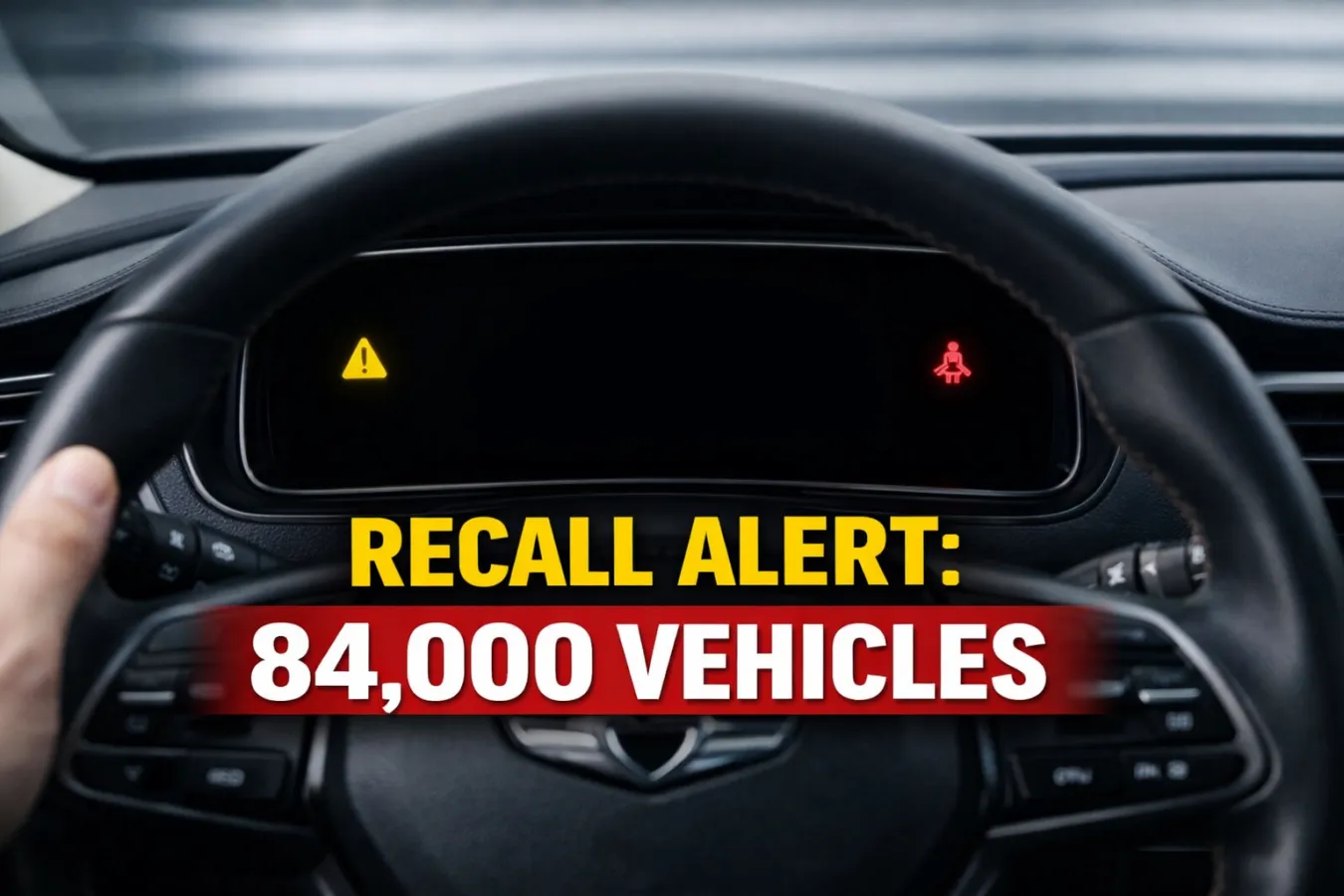
Hyundai Recalls 84K US Cars Over instrument panel display failure
Hyundai Motor is recalling nearly 84,000 vehicles in the
United States after a problem was identified that could cause the instrument
panel display to fail, according to the National Highway Traffic Safety
Administration (NHTSA).
The issue is tied to the digital cluster area that provides
drivers with critical driving information, including speed, warning alerts and
other vehicle status details. Regulators say the malfunction could increase
safety risks if the display fails while the vehicle is being driven.
What’s the Problem?
The recall centers on a potential instrument panel
display failure, which may lead to the screen going blank or not showing
key information properly.
Modern vehicles depend heavily on digital displays and when
the instrument cluster stops working, drivers may lose access to:
- Speedometer
readings
- Warning
lights and alerts
- Vehicle
system notifications
- Other
essential driving data
NHTSA warns that not being able to view these details can
raise the chance of an accident, especially during high-speed driving or heavy
traffic situations where quick driver awareness matters.
How Many Vehicles Are Affected?
Hyundai’s recall impacts about 83,877 vehicles across
the United States.
While recall filings usually list the affected vehicle range
and production dates, the key takeaway for owners is that the issue is large
enough to involve tens of thousands of vehicles, making it one of the notable
early 2026 recall announcements in the US market.
Why Instrument Cluster Issues Are Taken Seriously
Unlike minor infotainment glitches, instrument panel
failures are treated as major safety concerns because the display is directly
tied to driver control and awareness.
If the cluster goes dark without warning, drivers may not
immediately know their speed or see urgent alerts. In some cases, drivers might
continue driving without realizing a serious warning has appeared—or miss it
entirely.
Even temporary failures can create dangerous situations,
especially on highways or in poor weather conditions.
What Hyundai Will Do to Fix It
Hyundai is expected to correct the issue through a software-based
fix, which may be delivered through:
- A
dealership service update, where technicians update the system at no
cost
- An
over-the-air (OTA) update, for vehicles that support remote software
upgrades
Repairs and updates under recalls are typically provided free
of charge to vehicle owners.
What Owners Should Do Now
If you own a Hyundai or related model and are concerned, you
should:
- Watch
for a recall notice from Hyundai
- Check
your vehicle’s recall status using your VIN through official recall lookup
tools
- Schedule
a free repair appointment if your vehicle is affected
Until the fix is completed, drivers should pay attention to
any unusual behavior such as:
- Display
flickering or freezing
- The
instrument screen going black
- Warning
lights not appearing correctly
- Sudden
reboots of the cluster system
If these symptoms appear, it’s a good idea to contact a
dealership immediately.
Bigger Picture: Software Issues
in Modern Cars
This recall highlights a growing reality in today’s auto
industry: as vehicles become more software-driven, failures are increasingly
linked to system bugs and digital component behavior rather than traditional
mechanical breakdowns.
Digital instrument panels offer modern features and cleaner
designs, but they also create new reliability challenges. Automakers and
regulators are now placing greater focus on ensuring that software systems
remain stable and dependable in real-world driving conditions.
Final Thoughts
Hyundai’s
decision to recall nearly 84,000 US vehicles shows how seriously
instrument panel display problems are treated, especially when they can affect
driver awareness. Owners of affected vehicles should act quickly once notified,
since the fix is expected to be straightforward and free.

 Facebook
 Twitter
 Whatsapp
 Linkedin