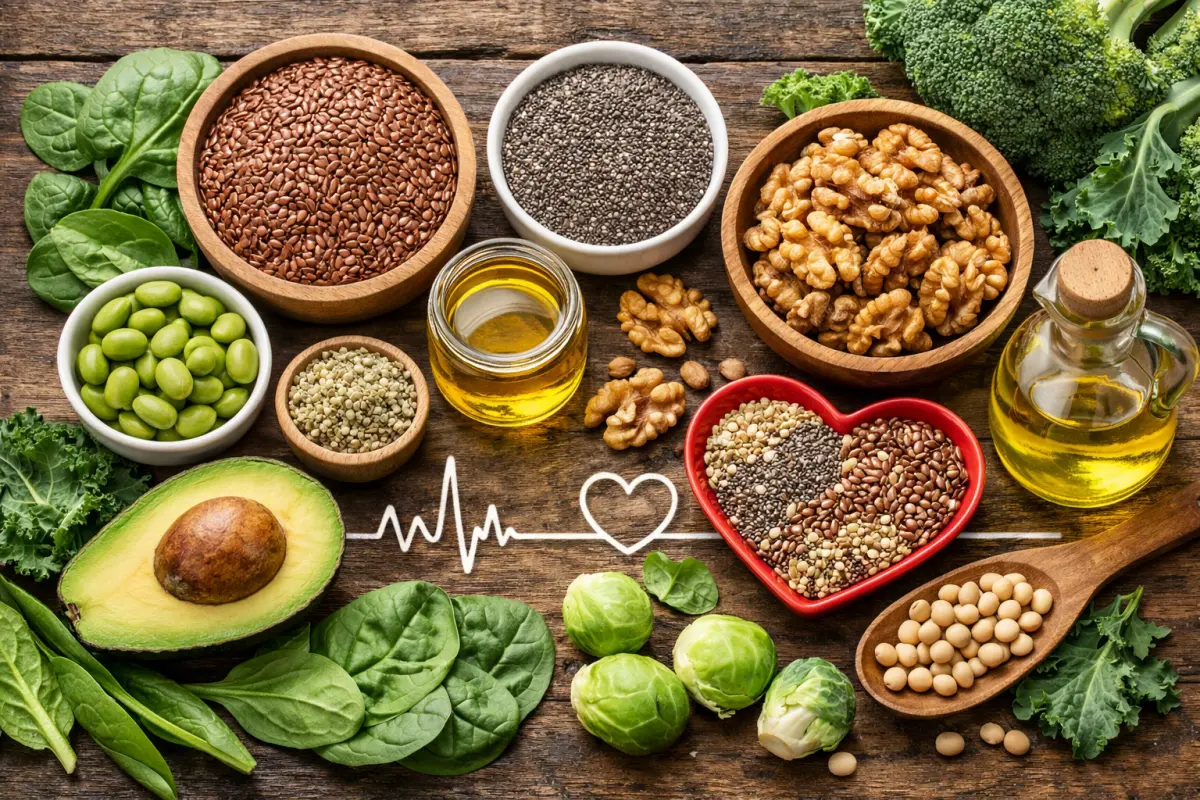
Vegetarian Omega-3 Foods for Heart Health
As conversations around heart-healthy diets continue
to trend in the United States, one nutrient is dominating the spotlight: omega
3s. While fatty fish have long been celebrated for their cardioprotective
benefits, vegetarians and vegans are turning to powerful plant-based omega-3
foods to support cardiovascular wellness. These vegetarian sources provide
ALA (alpha-linolenic acid), which the body can partially convert into EPA and
DHA — making regular dietary omega-3 intake essential for plant-based
eaters.
This shift toward omega-3 rich vegetarian foods
aligns perfectly with the ongoing U.S. trend of prioritizing plant-based
diets, clean eating, and heart health awareness.
🥇 Why Omega-3 Matters for Heart
Health
Omega-3 fatty acids help lower triglycerides,
reduce systemic inflammation, stabilize heart rhythm, and maintain
flexible, healthy arteries. With heart disease still a leading concern in the
U.S., experts emphasize incorporating best vegetarian omega-3 foods into
the diet as a simple yet powerful preventive step.
Below are the top trending vegetarian omega-3 foods
supporting cardiovascular health in 2025.
🥑 1. Flaxseeds — The No. 1 Omega-3
Vegetarian Superfood
Flaxseeds are among the most potent plant sources of
omega-3, offering 6,000–6,500 mg per 28 g (about two tablespoons).
They also provide fiber, magnesium, plant protein, and lignans that help lower
LDL cholesterol.
Ground flaxseed is easier to absorb, making it ideal
for smoothies, oatmeal, or baked goods. Milled flaxseed and flaxseed
oil are also excellent options for incorporating these essential fatty
acids into your diet. Their anti-inflammatory benefits make them one of the
leading heart healthy vegetarian foods recommended by nutritionists.
🟠2. Fatty Fish — A Reference
Point for Omega-3
While not vegetarian, fatty fish like salmon and sardines
remain the gold standard for EPA (eicosapentaenoic acid) and DHA (docosahexaenoic
acid). They have strong evidence supporting their ability to reduce
colon inflammation and lower cancer risk, as highlighted by the National
Institutes of Health. Fish oil supplements are often recommended for
those who don't consume fish regularly.
Vegetarians can use fish as a benchmark while focusing on
ALA-rich plant foods.
🌰 3. Chia Seeds — Small Seeds, Big
Heart Benefits
Chia seeds supply 4,500–5,000 mg ALA per 28 g, making
them one of the top vegetarian omega-3 sources. They are rich in fiber,
antioxidants, calcium, and magnesium. When soaked, they form a gel that slows
glucose absorption, supporting both blood sugar control and cholesterol
reduction — essential for cardiovascular health.
🥜 4. Walnuts — The Heart's
Favourite Nut
Walnuts provide 2,500–2,700 mg ALA per serving, along
with vitamin E, copper, magnesium, and powerful polyphenols. Regular walnut
consumption is linked to improved blood vessel function and reduced LDL
oxidation. As a source of essential fatty acids, walnuts play a crucial
role in maintaining heart health.
They are often highlighted in heart-healthy vegetarian
diet plans across fitness and wellness platforms.
🌱 5. Hemp Seeds — Complete Protein
+ Omega-3
Hemp seeds deliver 2,000–2,200 mg ALA per 28 g and
boast an ideal omega-6:omega-3 ratio. As a complete protein containing all
essential amino acids, they support muscle recovery, red blood cell production,
and blood pressure regulation. Hemp seeds are also rich in polyunsaturated
fatty acids, making them popular in plant-based heart health diets
and fitness communities.
ðŸ›¢ï¸ 6. Canola Oil — A Heart-Friendly
Cooking Oil
Cold-pressed canola oil provides 1,200–1,300 mg ALA per
tablespoon, is low in saturated fat, and contains vitamin E. When swapped
with high-saturated-fat oils, it can significantly improve cholesterol levels.
It's frequently recommended in healthy vegetarian diet
plans for everyday cooking.
🫘 7. Soybeans & Edamame —
Protein-Rich Omega-3 Options
Boiled soybeans and edamame offer 500–600 mg ALA per 100
g, along with fiber, potassium, magnesium, and isoflavones. These nutrients
support blood pressure control and healthier arteries.
Replacing high-fat meats with soy is a widely trending
recommendation in cardiologist-approved vegetarian meal plans.
🥦 8. Brussels Sprouts — Small ALA
Source with Huge Benefits
While they provide a modest 100–200 mg ALA, Brussels
sprouts are packed with vitamin K, C, fiber, and anti-inflammatory compounds.
Their role in improving gut health, lowering LDL, and reducing inflammation
makes them a staple in plant-based heart healthy diets.
🥬 9. Leafy Greens —
Heart-Protective Nutrient Powerhouses
Spinach, kale, and other greens contain small amounts of ALA
but are dense in antioxidants, potassium, folate, and nitrates that relax blood
vessels and lower blood pressure. When combined with seeds and nuts, they form
the foundation of a heart-protective vegetarian diet.
â¤ï¸ Conclusion: Building a
Heart-Healthy Vegetarian Pattern
A balanced vegetarian diet rich in flaxseeds, chia
seeds, walnuts, hemp seeds, soy, and leafy greens
provides powerful omega 3 benefits for heart health. These foods help
reduce inflammation, stabilize cholesterol, and keep arteries flexible — making
them essential in any heart healthy diet trend rising across the U.S. in
2025.
Whether you're vegan, vegetarian, or simply plant-forward,
prioritizing these omega-3 foods can significantly boost your
cardiovascular wellness. By ensuring adequate dietary omega-3 intake
through these plant-based sources, you're taking a proactive step towards a
healthier heart and overall well-being.

 Facebook
 Twitter
 Whatsapp
 Linkedin