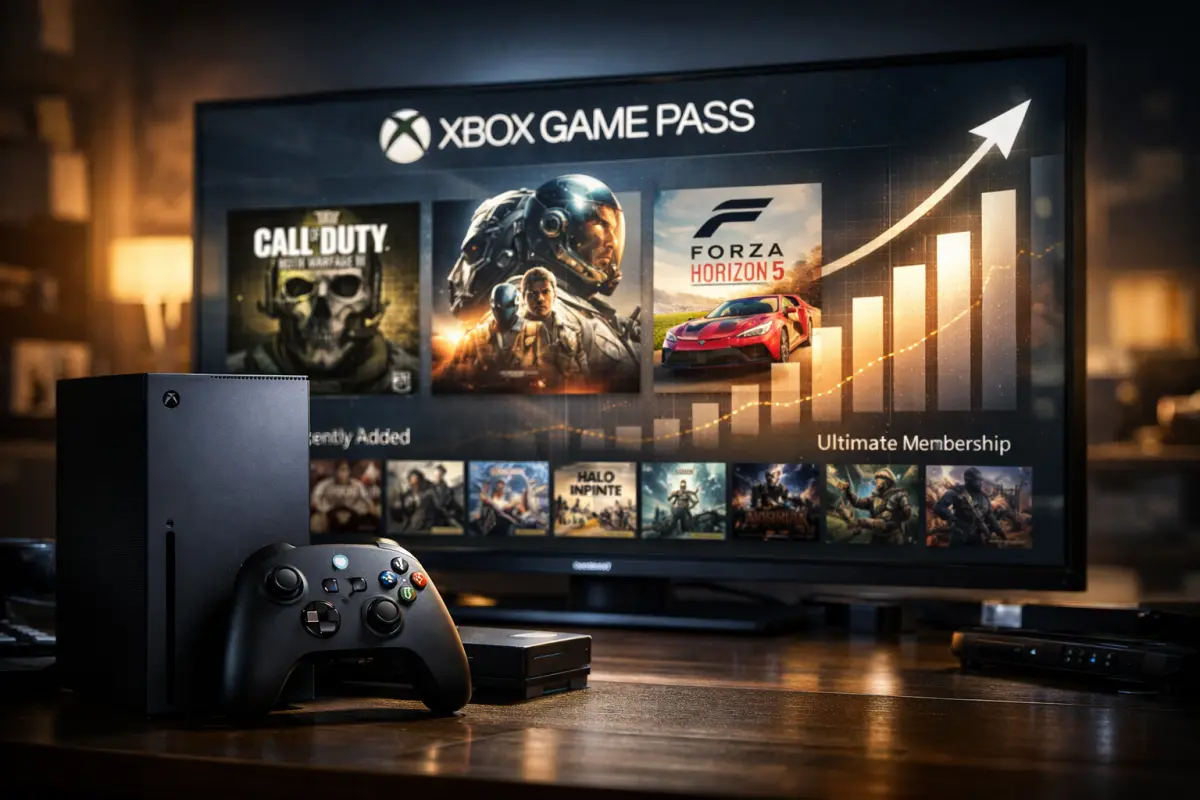
Xbox Game Pass Now “Too Expensive”?
The gaming industry thrives on innovation, accessibility and value. For nearly a decade, Xbox Game Pass has been the poster child of that philosophy—often dubbed the “Netflix of gaming.” But in a surprising twist, Microsoft’s own leadership is now questioning whether the service has lost its biggest advantage: affordability.
A recently leaked internal memo from Microsoft’s new gaming chief, Asha Sharma, has sparked intense debate across the gaming community. Her candid admission—that Game Pass “has become too expensive for players”—signals a potential shift in strategy that could reshape the future of subscription gaming.
A Service Built on Value
Since its launch in 2017, Xbox Game Pass has revolutionized how players consume games. Instead of buying titles individually, subscribers gained access to hundreds of games for a monthly fee. Over time, Microsoft strengthened the offering by adding:
Day-one releases from Xbox Game Studios
Partnerships with major publishers
Cloud gaming through Xbox Cloud Gaming
Additional perks like EA Play and Ubisoft+ integration
This aggressive value proposition helped Game Pass grow to tens of millions of users worldwide.
For years, it was widely seen as one of the best deals in gaming.
The Price Hike That Changed Everything
That perception began to shift in 2025 when Microsoft introduced a significant price increase across Game Pass tiers. The most notable jump came with Game Pass Ultimate, which rose to approximately $29.99 per month—a roughly 50% increase.
Microsoft justified the hike by pointing to expanded content offerings, including blockbuster titles such as those from the Activision Blizzard catalog. High-profile franchises like Call of Duty were added to the service, increasing its appeal—but also its cost.
However, the strategy appears to have backfired.
The Leaked Memo: A Rare Admission
In the leaked memo obtained by media outlets, Sharma openly acknowledged what many players had been saying for months: the service is no longer as affordable as it once was.
She wrote that “Game Pass has become too expensive for players” and emphasized the need for a “better value equation.”
This kind of internal admission is rare for a company like Microsoft. It highlights growing concern not just about pricing, but about the sustainability of the current model.
Importantly, Sharma also made two key points:
This suggests that Microsoft isn’t just tweaking prices—it’s rethinking the entire structure.
Why Did Game Pass Become So Expensive?
Several factors contributed to the rising cost of Game Pass:
1. Big-Name Game Additions
Bringing major franchises like Call of Duty into Game Pass is expensive. Licensing, development costs and lost retail sales all add up.
In fact, reports suggest that including such titles may have reduced traditional game sales significantly, forcing Microsoft to compensate through subscription pricing.
2. Expanding Features
Game Pass is no longer just a game library. It now includes cloud gaming, cross-platform access and bundled services—all of which increase operational costs.
3. Industry-Wide Inflation
Rising development costs, larger game budgets and broader economic pressures have affected pricing across the gaming industry.
4. Strategic Positioning
Microsoft has long treated Game Pass as a growth engine rather than a profit center. But as the service matures, profitability becomes harder to ignore.
Community Reaction: “Not Worth It Anymore?”
The gaming community’s response has been mixed—but increasingly critical.
On forums like Reddit, some users have argued that Game Pass no longer delivers the same value, especially for players who don’t regularly try new games:
“Game Pass ended up being wasted money… I was just buying games anyway.”
Others still see value in the service, particularly for casual gamers or those who enjoy exploring a wide variety of titles.
This divide highlights a key challenge for Microsoft: Game Pass must appeal to both hardcore and casual players without alienating either group.
What Changes Could Be Coming?
While Microsoft hasn’t announced official changes yet, the memo hints at several possible directions:
1. More Flexible Pricing Tiers
Instead of a one-size-fits-all model, Microsoft may introduce tiered options with varying features and prices.
2. Content Restructuring
There is speculation that expensive franchises like Call of Duty could be removed or limited to certain tiers to reduce costs.
3. Modular Subscriptions
Future versions of Game Pass might allow users to customize what they pay for—such as separating cloud gaming or premium releases.
4. Regional Pricing Adjustments
To remain competitive globally, Microsoft could adjust pricing based on regional affordability.
The Bigger Picture: Subscription Fatigue
Game Pass isn’t alone in facing pricing challenges. Across industries, subscription services—from streaming platforms to software tools—are raising prices.
Consumers are starting to feel “subscription fatigue,” where too many monthly payments lead to cancellations and selective spending.
For Microsoft, this means Game Pass must do more than just offer games—it must consistently prove its value.
A Critical Moment for Xbox
Game Pass has become central to Microsoft’s gaming strategy. It’s not just a product—it’s the foundation of the Xbox ecosystem.
But the leaked memo suggests that even Microsoft recognizes the risks of pushing pricing too far.
If the company can successfully rebalance cost and value, Game Pass could remain a dominant force in gaming. If not, it risks losing the goodwill that made it successful in the first place.
Conclusion
The admission that Xbox Game Pass has become “too expensive” marks a pivotal moment for Microsoft and the gaming industry. It reflects broader challenges in balancing innovation, profitability and consumer expectations.
For players, this could mean positive changes ahead—more flexible plans, better pricing and improved value. For Microsoft, it’s a test of whether it can adapt quickly enough to maintain its leadership in the subscription gaming space.
One thing is certain: the future of Game Pass is about to evolve—and the entire industry will be watching.

 Facebook
 Twitter
 Whatsapp
 Linkedin